
New USPS Rule Could Be a Good Thing for Election Administration
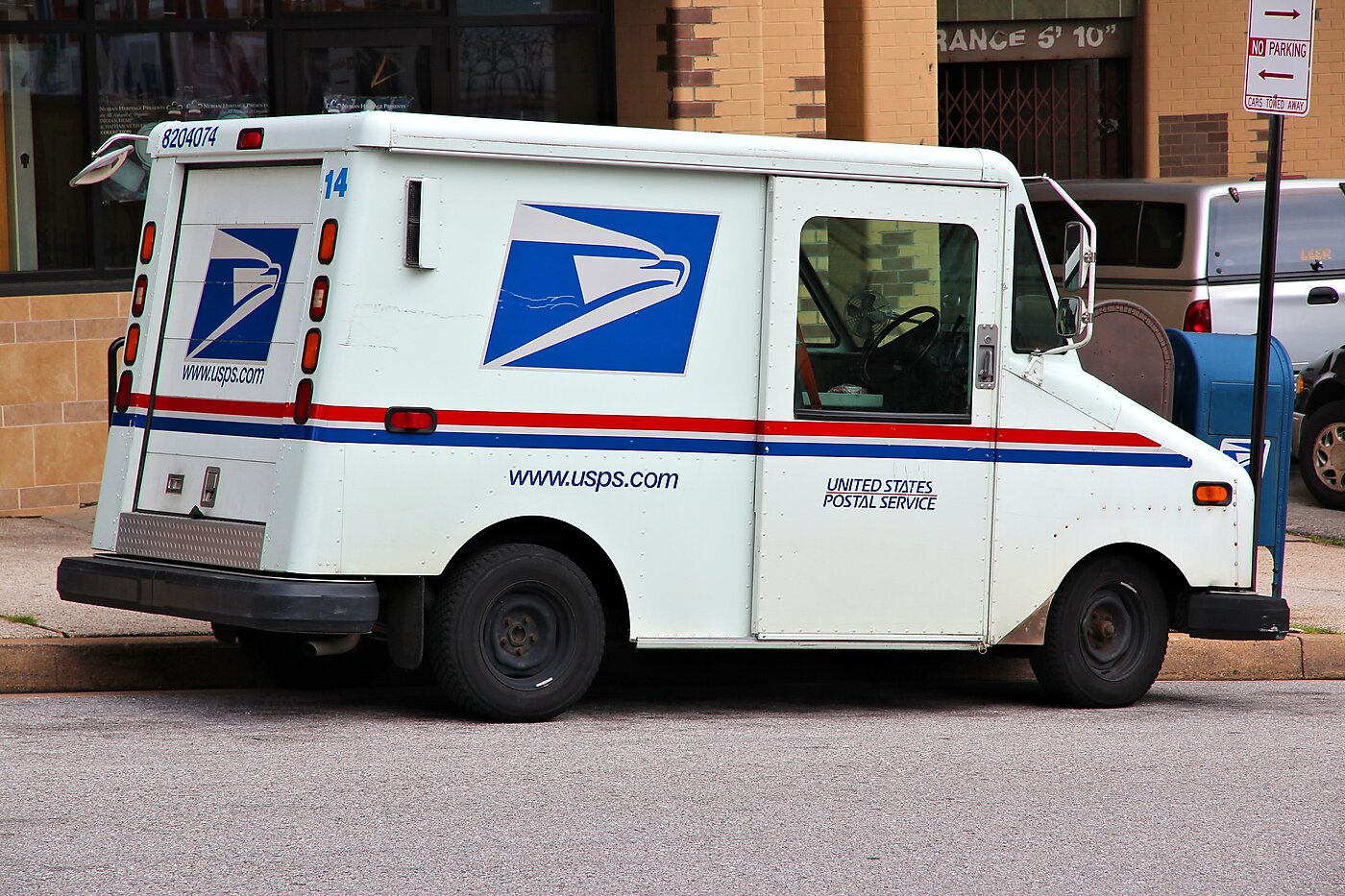
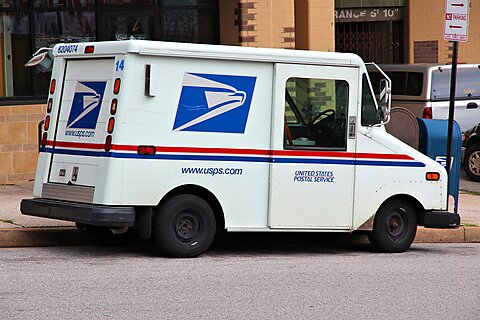
The United States Post Office recently updated the Domestic Mail Manual in a way that will affect “Postmarks and Postal Possession.” The USPS’s explainer states:
“[W]e have made adjustments to our transportation operations that will result in some mailpieces not arriving at our originating processing facilities on the same day that they are mailed. This means that the date on the postmarks applied at our processing facilities will not necessarily match the date on which the customer’s mailpiece was collected by a letter carrier or dropped off at a retail location.”
This, in turn, could have an impact on election administration. Fourteen states allow mail ballots to arrive after Election Day if they are postmarked on or before Election Day. According to the USPS explainer, dropping off a ballot at a mailbox on Election Day doesn’t necessarily mean it will be postmarked on Election Day.
Jim Saksa, writing at Democracy Docket (the website associated with Marc Elias’s law firm), warns that the USPS transportation and language change could significantly impact rural voters. The Washington Post titled its piece on the topic: “Thousands of mail-in ballots could be discounted under new post office policy.” Tess Seger, of the Oregon Secretary of State’s office, claimed that the change is one of a number of recent announcements by USPS that “is not exactly instilling trust at the moment.”
Contrarian that I perhaps am, I take an opposing view: the USPS rule change is a good thing.
First, the postmark date was always too ambiguous to serve an important legal purpose. The USPS has long discouraged companies and government offices from using the postmark as an official date (“postmarking is not and has not been a service that the Postal Service has provided to the public for such purposes. The postmark has always fundamentally existed to perform functions (including cancelation [sic] of postage) internal to Postal Service operations”).
Second, the USPS rule change might lead to faster election results. If the USPS announcement encourages voters to return their mail ballots earlier, election officials can process the ballots sooner, and we can all get results faster. This could improve confidence in US elections. The latest academic research finds that “longer-than-expected vote counting time induces a large, significant decrease in trust in the election.”
Third, the USPS announcement could incrementally improve the lives of election administrators. Nothing is worse than getting an avalanche of late-arriving ballots when people are already screaming at you for final results.
Fourth, the US Supreme Court will soon hear an appeal of Watson v. Republican National Committee, in which the Fifth Circuit ruled that it is unconstitutional to allow mail ballots to arrive after Election Day. The Fifth Circuit’s ruling is at odds with other courts, but if the Supreme Court sides with the Fifth Circuit, then voters in the 14 “postmark states” will need to change their behavior. This new USPS announcement starts that process ahead of the Court’s decision.
It has become easier and easier to vote in the United States. Almost all states allow in-person early voting. Most states have no-excuse vote-by-mail. Things looked very different even 20 years ago.
It is not unreasonable for the USPS to make a business decision that might force voters in some states to move up their voting plans by one or two days. In California, voters have 29 days of early voting. It’s pretty darn reasonable to ask these voters in California to mail their ballots back a day or two before Election Day.
It might even be a good thing.