
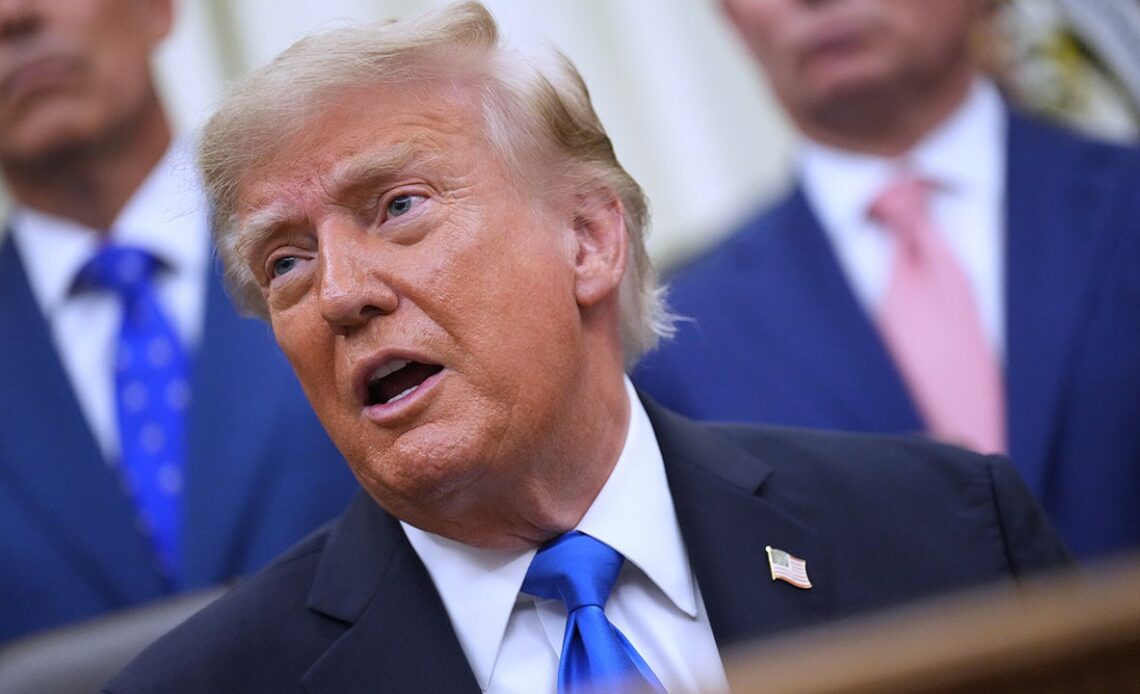
Tensions in the Middle East reached a breaking point early Thursday morning as Iran launched a wave of missiles and drones targeting Kuwait. This sudden escalation comes in direct retaliation for previous United States strikes, signaling a dangerous new phase in the regional confrontation. In response to the attacks, President Donald Trump issued a stern warning to Tehran, stating that Washington remains fully prepared to strike Iranian targets again whenever it deems necessary.
The volatility extends beyond Kuwait, with significant military movements unfolding along the Lebanon border. The Israeli military announced it has seized operational control of the strategic Ali al-Taher ridge in southern Lebanon after an offensive against Hezbollah positions. According to the Israel Defense Forces, the operation uncovered complex tunnels funded and planned by Iran, which were used to coordinate attacks against Israel for decades. This development follows reports that Iran had previously warned Washington that any major Israeli push toward the ridge would trigger a massive Iranian response.
As military clashes intensify, the diplomatic battle is heating up globally. The U.S. State Department recently praised Peru for severing diplomatic ties with Tehran, framing the move as a necessary rebuke of Iran’s history of sowing chaos and terror abroad. Meanwhile, U.S. Ambassador to Israel Mike Huckabee suggested that Iran might be facing a third kick of the mule if it refuses to abandon its nuclear ambitions and regional aggression, noting that presidential frustration with Tehran is growing despite months of heavy sanctions and military pressure.
Adding to the geopolitical shift, Vice President JD Vance claimed during a White House briefing that Iran’s ability to exert control over the strategic Strait of Hormuz has effectively vanished. He argued that Tehran is losing its leverage daily as American pressure mounts across economic and covert fronts. As various Arab nations begin quietly gauging potential future Israeli leadership ahead of upcoming elections, the region remains on edge, caught between desperate attempts at stabilization and the threat of total war.