
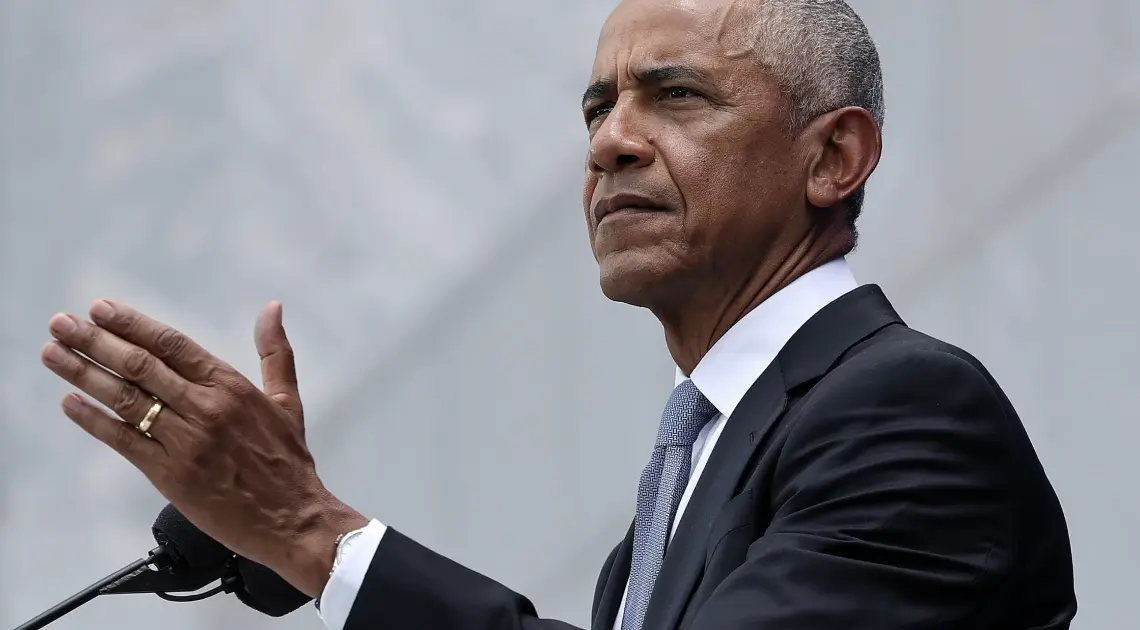
Former President Barack Obama is calling on the Democratic Party to establish a comprehensive strategy for managing the rapid rise of artificial intelligence. Speaking at a Democratic Congressional Campaign Committee fundraiser, Obama emphasized that the party needs a detailed roadmap to address the societal shifts caused by AI, noting that such a plan would be a cornerstone of his own platform if he were seeking office today. He described the technology as a bell that cannot be unrung, urging leadership to move beyond vague ideas and create concrete policies regarding safety and education.
During a discussion with House Minority Leader Hakeem Jeffries, Obama suggested that once Jeffries reaches the speakership, he should initiate a transparent public dialogue broken down into specific key issues. The former president expressed particular concern over how AI might affect children and cautioned against the potential for widespread job displacement. While he stopped short of being an alarmist, he warned that because these tools are evolving so quickly within private companies, they could become dangerous if government oversight fails to keep pace.
Despite these risks, Obama highlighted the immense upside of AI if managed correctly, pointing toward breakthroughs in clean energy and medical research as primary goals. His perspective aligns with recent calls from industry leaders like Anthropic CEO Dario Amodei and OpenAI’s Sam Altman, who have voiced concerns that technical development is currently outpacing necessary safety guardrails. This growing anxiety has led some researchers to leave major firms entirely over fears concerning long term existential threats to humanity.
The push for regulation has already sparked political friction in Washington. While Democrats have asked House Speaker Mike Johnson to hold emergency sessions on the matter, Johnson has been hesitant to rush legislation, arguing that even industry experts aren’t certain how to effectively throttle the pace of growth. Meanwhile, Donald Trump has taken a more competitive stance, framing AI primarily as a geopolitical race where victory depends on beating China regardless of immediate safety anxieties.