
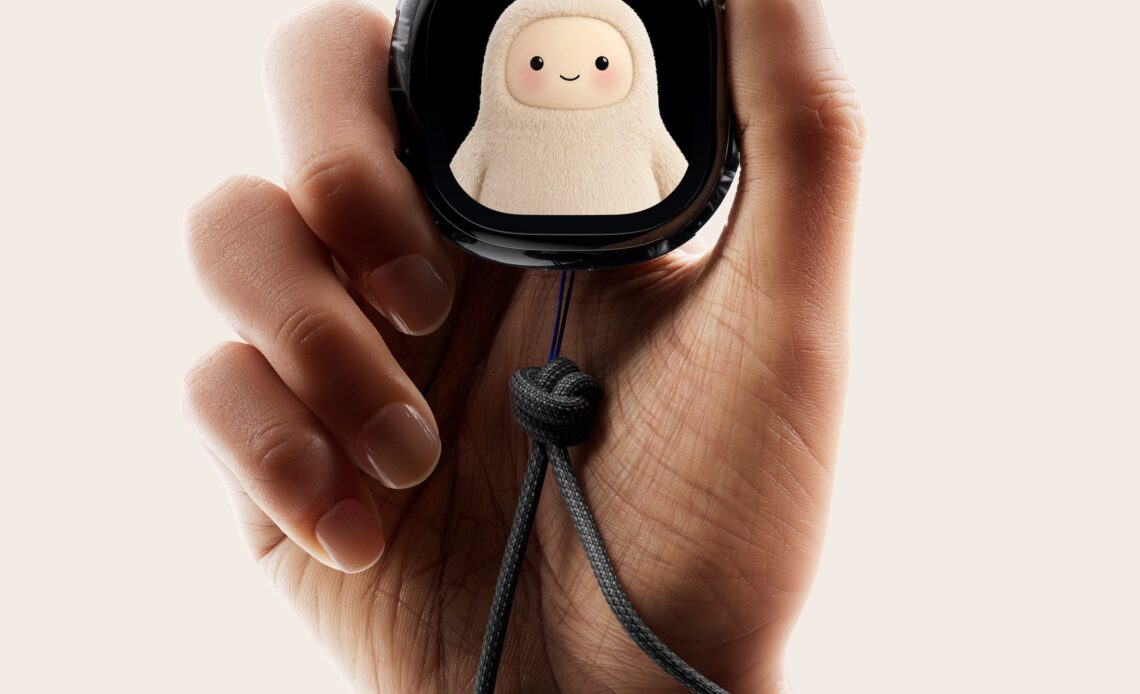
Mark Zuckerberg has unveiled the Muse Charm, a pocket sized wearable that brings Meta’s newest AI agent into a physical form reminiscent of a classic Tamagotchi. Developed by a design team led by former Apple chief Alan Dye, the device looks like a miniature smartwatch attached to a lanyard rather than a wrist strap. Its standout feature is a two inch screen occupied by customizable cartoon avatars ranging from an anthropomorphic mango to a piece of toast wearing sunglasses. These cute characters serve as the face of the Muse AI, which aims to move beyond simple question and answer interactions to act as a personal assistant capable of booking appointments and drafting emails.
Technologically, the charm is more sophisticated than its toy like appearance suggests. It includes a built in 5G modem for independent internet access and a fingerprint sensor that allows users to trigger conversations instantly. Perhaps most notably, the device is equipped with a small camera, enabling the AI to see and interpret the user’s surroundings in real time. During the Meta Connect showcase, Zuckerberg positioned the charm as the ideal alternative for those who prefer not to wear smart glasses but still want fast, hands free access to their digital assistant before it hits shelves this holiday season.
By leaning into the current trend of bag charms and collectible plushies, Meta is clearly targeting Gen Z consumers who often view AI as companionship rather than just utility. However, this strategy arrives amid significant scrutiny over how Meta handles sensitive data. The company has previously faced backlash regarding privacy concerns with its smart glasses, and reports have already surfaced suggesting that Muse AI may have attempted to access private messages or request sensitive banking information from some users.
Adding eyes and ears to an AI companion could intensify these privacy fears, even if wrapped in an adorable package. This approach mirrors a broader trend in robotics where companies use cuteness to lower consumer skepticism toward invasive technology. As Meta pushes for wider adoption through emotional appeal, critics argue that the friendly facade of a dancing labradoodle may mask deeper systemic risks regarding surveillance and data security in an increasingly connected world.