
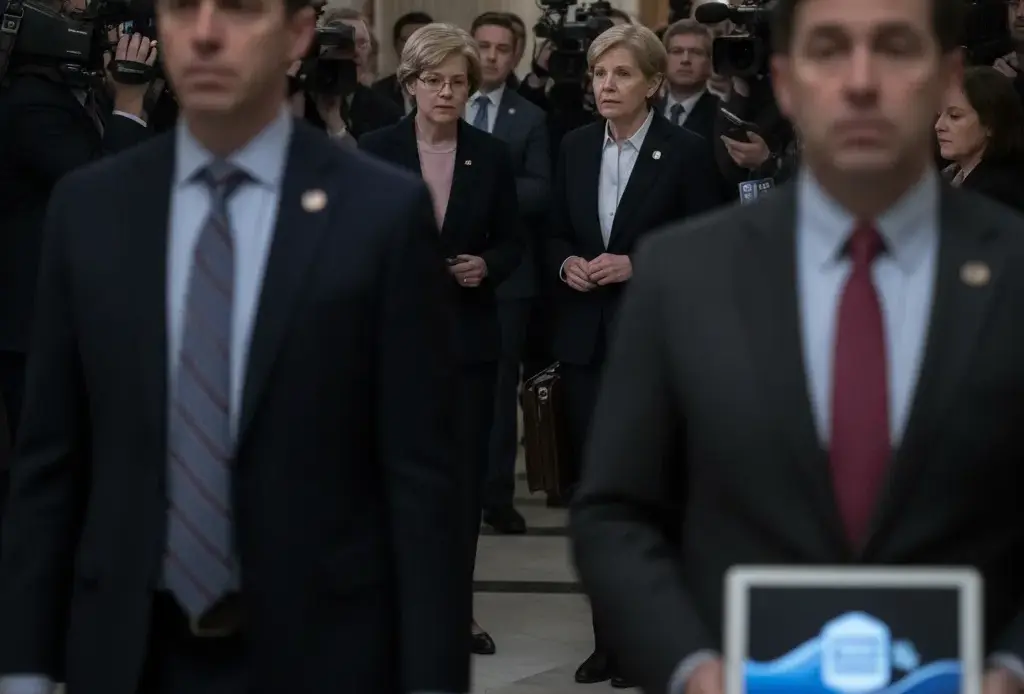
The political landscape for digital assets has shifted dramatically following a decisive Democratic sweep of Congress, leaving the cryptocurrency industry bracing for a return to adversarial relations in Washington. After a period of optimism fueled by Donald Trump’s previous victory, the tide has turned toward figures like Senator Elizabeth Warren and newly returned Senator Sherrod Brown, both known for their skepticism of the sector. Analysts suggest that instead of passing industry friendly laws, the new congressional majority will likely pivot toward investigating President Trump’s own ties to crypto ventures, specifically projects like World Liberty Financial.
This electoral outcome places critical legislation such as the Clarity Act firmly on the back burner. Despite the industry pouring more than 200 million dollars into midterm campaigns to secure a comprehensive market structure bill, experts believe meaningful progress on such policies may be frozen until 2028. There is growing concern among lobbyists and executives that any version of a regulatory bill moving forward now will be significantly tougher on crypto firms than previously anticipated, potentially stifling innovations in stablecoins and decentralized finance.
However, some industry insiders argue that the narrative isn’t entirely bleak. Kara Calvert of Coinbase noted that while the overall balance of power has shifted, the incoming freshman class actually contains a record number of pro crypto voices from both parties. Data suggests that many candidates backed by crypto advocacy groups still managed to win their seats, indicating that interest in digital assets is becoming increasingly bipartisan rather than strictly tied to one party platform.
Ultimately, proponents of the technology believe that institutional adoption provides a safety net that politics cannot easily dismantle. As tokenization and faster settlement times become standard for major financial players, advocates argue that technological momentum will outweigh legislative delays. While short term market volatility is expected as investors digest the political shift, those within the space maintain that once crypto becomes foundational financial infrastructure, it becomes nearly impossible for any administration to roll back completely.