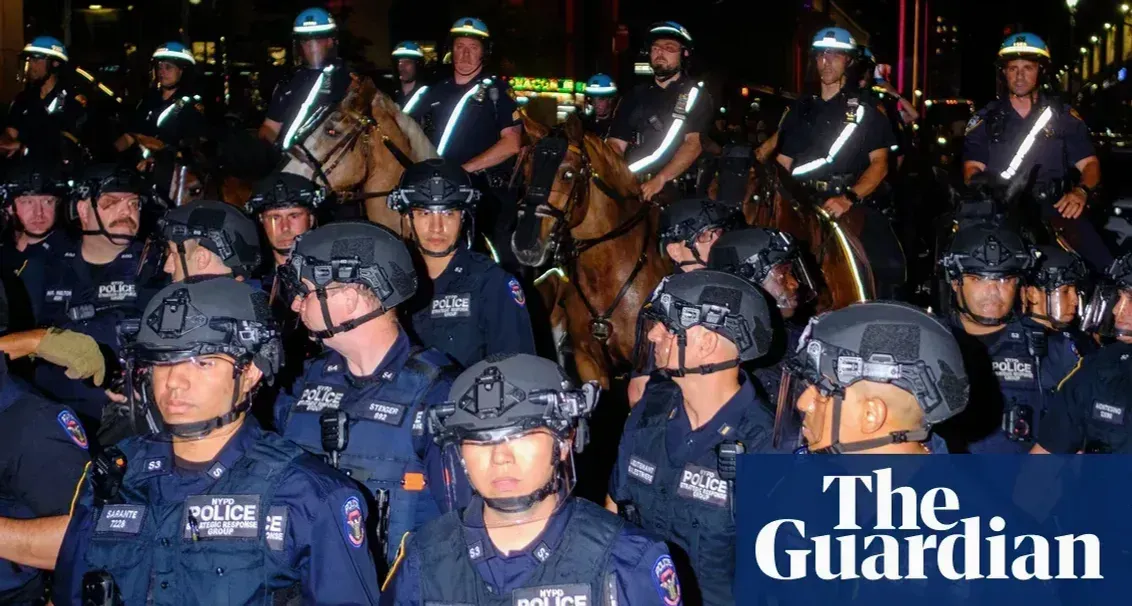
Mayor Zohran Mamdani followed through on a key campaign promise Monday by announcing the immediate disbandment of the NYPD’s Strategic Response Group. The specialized unit, created in 2015 for counter-terrorism purposes, became a lightning rod for criticism from civil rights advocates who accused the group of employing overly aggressive tactics and excessive force during public demonstrations. In a video message, Mamdani emphasized that the move is part of a broader effort to prioritize communication and de-escalation over confrontation when handling New Yorkers exercising their constitutional right to protest.
To fill the void left by the SRG, the mayor and Police Commissioner Jessica Tisch are introducing several structural changes designed to separate terrorism response from crowd control. A new civilian-led Community Dialogue and De-escalation Division will be established within the mayor’s office, operating entirely without weapons or arrest powers. Additionally, the NYPD will launch a First Amendment Support Team consisting of thirty specially trained officers focused on mediation, alongside a new Patrol Support Division tasked with managing crowds using updated guidelines.
The reform package also brings strict new limitations on the tools officers can use during protests. The administration confirmed that kettling, irritant gases, and long guns are now banned in these settings. Pepper spray will no longer be used as a general crowd-management tool, and high-decibel acoustic devices will see their volume capped at ninety decibels. Meanwhile, any remaining counter-terrorism duties previously handled by the SRG will be folded into the NYPD’s intelligence bureau to ensure those tactical resources aren’t deployed against peaceful assemblies.
While advocacy groups welcomed the shift toward transparency and restraint, the decision sparked an immediate backlash from police leadership. Patrick Hendry, president of the New York Police Benevolent Association, argued that the changes jeopardize both public and officer safety to satisfy a political base. He suggested that removing these tactical capabilities would leave the city vulnerable to chaotic demonstrations that disrupt essential infrastructure like bridges and roadways. Despite these objections, Mamdani maintained that these adjustments would result in a more effective department without requiring extra funding or changing overall staffing levels.