
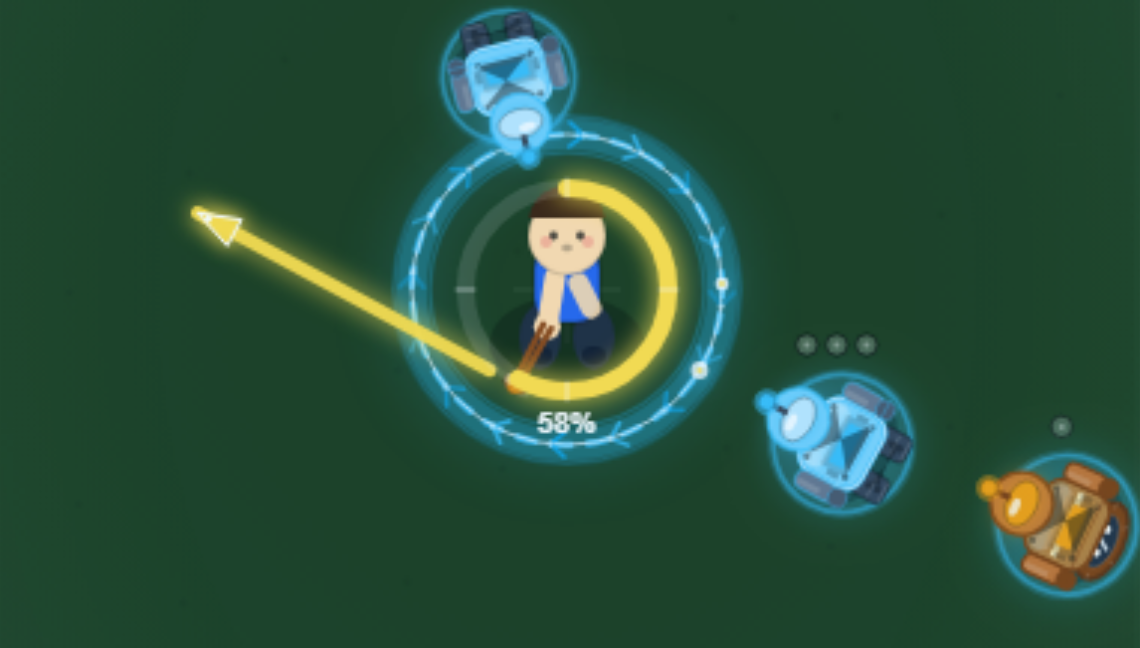
The dream of creating a video game has long been gated behind the daunting wall of coding languages and complex development environments. For most people, turning a spark of inspiration into a playable prototype required years of study or a willingness to wrestle with frustrating technical glitches. However, Meta’s new app, Pocket, is attempting to demolish that barrier by introducing vibe coding to the masses. By allowing users to build fully functional interactive gizmos through simple text prompts, the app transforms software development into something as intuitive as sending a message or posting a status update.
For many early users, the experience feels nothing short of magical. One creator described the process of building a combat game involving slingshots and robot hordes, noting that tasks which once took hours of struggle with physics models were suddenly completed in minutes. Through iterative chatting with an artificial intelligence, developers can refine their visions in real time, adding everything from ammunition systems to custom sound effects without ever seeing a single line of code. This frictionless loop allows for rapid experimentation, enabling anyone with an idea to stand up feature rich prototypes that would have previously required a computer science degree.
Yet beneath this creative liberation lies a familiar corporate strategy. While Pocket makes it incredibly easy to bring ideas to life, those creations exist exclusively within Meta’s ecosystem. These games are designed to be shared via a TikTok style infinite scroll filled with likes and comments, effectively trapping user innovation inside another digital walled garden. There is currently no viable path to export these projects or turn them into independent apps, meaning the intellectual labor spent polishing these games serves primarily to feed Meta’s engagement metrics.
Ultimately, Pocket represents a profound shift in how we interact with technology, trading traditional skill sets for high level curation. It offers an intoxicating sense of power to the non coder, proving that AI can bridge the gap between imagination and execution almost instantaneously. But as creators become hooked on the ease of vibe coding, they may find themselves realizing too late that while they own the ideas, Meta owns the results.