
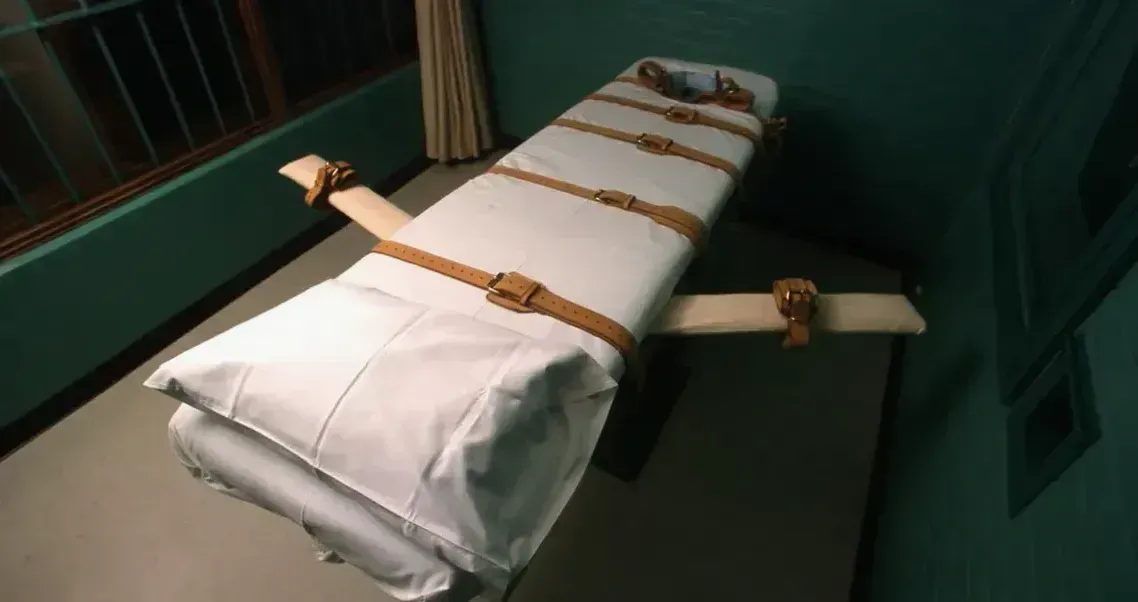
A Texas court has declined to halt the execution of Jamaal Howard, rejecting arguments from defense attorneys who warned that the state’s lethal injection process could mirror a recent disaster in Tennessee. The legal challenge centered on the case of Christa Pike, who survived two doses of pentobarbital last week in a botched procedure that left her hospitalized and fighting for recovery. Because Texas intends to use the same drug, Howard’s legal team argued there is a significant risk of failure due to potential issues with drug quality and administration.
Attorneys for Howard, 46, specifically pointed to reports of blown veins and degraded chemicals in the Tennessee case, suggesting that Texas’s supply of pentobarbital may also be past its effective shelf life. They urged the court to grant a stay to prevent another humanitarian crisis, noting that the state had been hesitant to disclose specific details regarding the dosage intended for Howard. Despite these warnings and a secondary urgent filing, the Texas Court of Criminal Appeals denied the request without providing further explanation.
The case against Howard stems from a brutal crime committed over two decades ago in Silsbee, Texas. Surveillance footage played a key role in his conviction for the 2000 killing of Vickie Swartout, a convenience store clerk who was shot during a robbery. While Howard’s lawyers have spent years arguing that he is intellectually disabled and therefore ineligible for execution under federal guidelines, state officials maintain that he hasn’t met the necessary evidentiary threshold to prove such a claim.
This ruling comes amid a broader national conversation about the reliability of lethal injections. While Florida leads the country in executions this year, other jurisdictions are reconsidering their methods following high profile failures like Pike’s. As Texas moves forward with its schedule, including several upcoming executions after Howard’s, critics continue to argue that the opacity surrounding drug procurement creates an unacceptable risk of cruel and unusual punishment.