
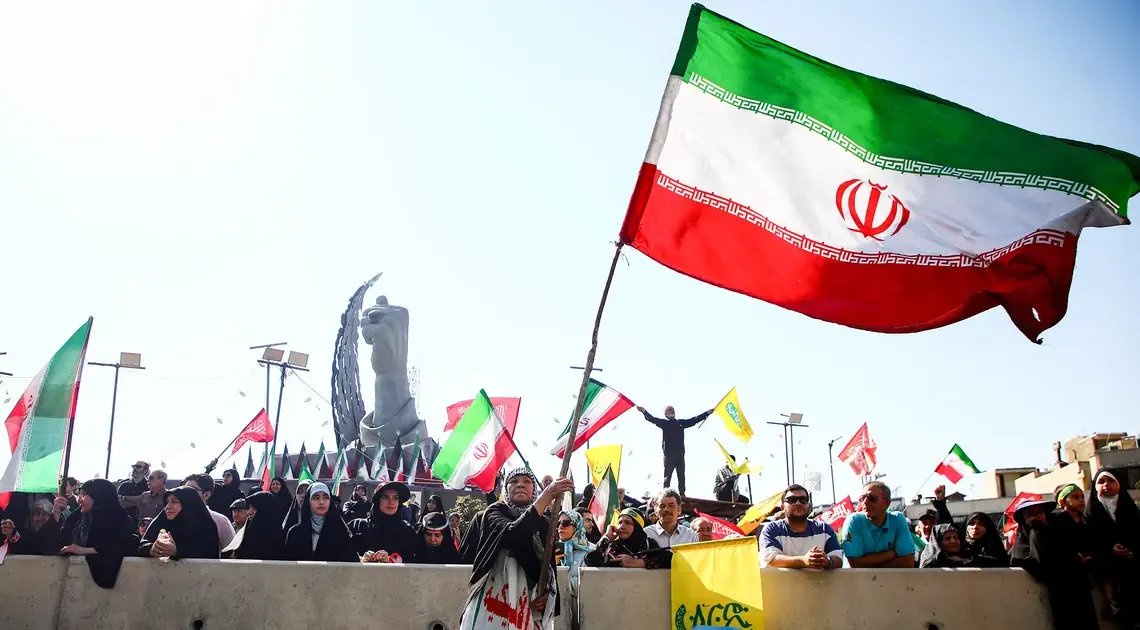
The United States and Iran have engaged in their first direct discussions since June, attempting to navigate a volatile diplomatic landscape marked by threats of total destruction and escalating economic warfare. These latest talks come amid a climate of extreme tension, following aggressive rhetoric from President Trump regarding the future of the Iranian regime and a series of strategic military confrontations in the Middle East. While both nations have signaled a willingness to communicate, the gap between their demands remains vast, leaving the region on edge as they debate the fate of critical shipping lanes and nuclear ambitions.
At the heart of the dispute is the Strait of Hormuz, where a U.S. naval blockade has created a geopolitical choke point. During recent interactions at the United Nations General Assembly, Iranian President Masoud Pezeshkian insisted that while Tehran is ready for diplomacy, it will not bow to bullying or accept the language of force. Conversely, the White House has maintained a hardline stance, with officials describing Trump’s approach as courageous and necessary to prevent an evil regime from acquiring nuclear weapons. This ideological clash was further highlighted when Germany’s foreign minister urged Iran to engage more constructively and unconditionally reopen the strait to ensure global maritime safety.
While diplomats talk, international pressure on Tehran is intensifying through a wave of coordinated sanctions. Canada recently targeted several senior Iranian officials and state entities in response to the brutal suppression of domestic protests, citing systemic human rights abuses and illegal surveillance. Simultaneously, the United Arab Emirates took decisive action by sanctioning local branches of Bank Melli over allegations involving money laundering and terrorism financing. These moves reflect a broader strategy by Western allies to squeeze Iran economically as leverage for concessions in ongoing negotiations.
Despite these pressures, Tehran appears unwilling to compromise on its core requirements for peace. Senior Iranian officials indicated that they are currently reviewing a U.S. proposal to end hostilities but warned that significant differences persist. Major General Mohsen Rezaei emphasized that there would be no gradual transition toward stability; instead, he demanded that the U.S. immediately lift its blockades and adhere to previously agreed terms before any changes occur at sea. As both powers weigh their options, the world watches to see if these fragile dialogues can lead to a lasting ceasefire or if they are merely precursors to further escalation.